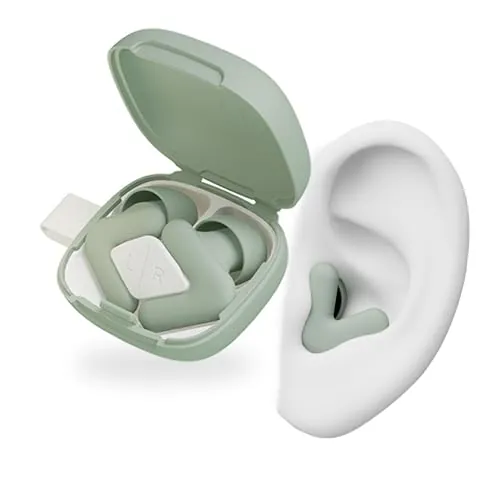
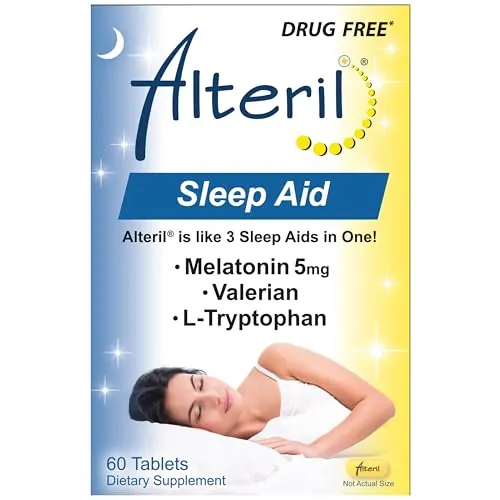
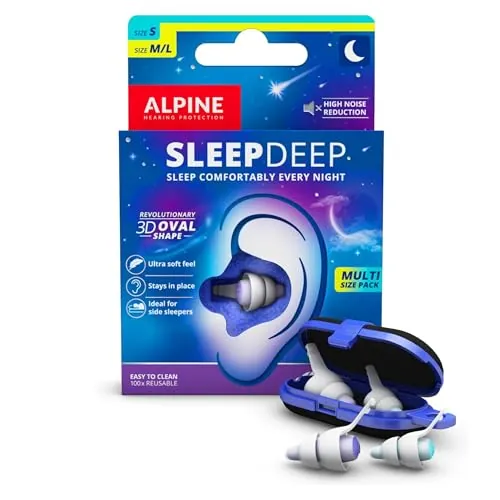
Both products aim to support sleep and overall wellbeing, but in very different ways. Alpine Silence earplugs focus on reducing environmental noise by up to 25 dB, which can help create a calmer sound environment for sleep, work, or travel. This is reflected in a higher health impact score of 72, plus strong ratings for comfort and safety. Alteril’s health impact (62) comes from user reports that it helps them fall asleep using natural-style ingredients. However, as a supplement, it depends on individual responses and has more uncertainty around long-term use and interactions, which is why its health impact and evidence quality scores are lower than Alpine’s.
Fitness support is not a primary goal for either product, but Alpine Silence earplugs do offer some indirect benefits here. With a fitness support score of 55, they can be used to reduce loud background noise in gyms or fitness classes, as reflected in reviews mentioning gym use and effective ambient noise reduction. Alteril has a fitness support score of 0 because it does not interact with workouts or activity directly; its role is limited to potential sleep onset support. If you want something that can be used in noisy fitness environments as well as for sleep, Alpine is more relevant.
Sleep support is where both products focus, but they address different problems. Alpine Silence earplugs score 90 for sleep support, driven by strong noise reduction, very high comfort, and user feedback highlighting better ability to sleep beside snoring partners, barking dogs, or urban noise. They are particularly suited to noise-sensitive or light sleepers. Alteril’s sleep support score of 84 reflects many reviews stating it helps people fall asleep when melatonin alone did not, and that it can be part of a broader sleep hygiene routine. However, Alteril does not address environmental noise and has more variable individual responses. For noise-related sleep issues, Alpine is stronger; for difficulty falling asleep without noise involvement, Alteril may still be considered, with appropriate caution.
Neither product is designed specifically for athletic or clinical recovery, and their recovery support scores are modest and similar (45 for Alpine, 46 for Alteril). Alpine may contribute indirectly to nightly recovery by helping users sleep through disruptive sounds, thereby potentially allowing more continuous rest for some people. Alteril may aid perceived recovery by supporting sleep onset, according to reviews, but its effects are highly individual, and it does not directly address muscle soreness or physiological recovery. In both cases, any recovery-related benefits are secondary to their primary role as sleep aids, and the data does not support strong conclusions beyond general sleep support.
Alpine Silence earplugs have a wellness support score of 78, suggesting a solid role in daily wellbeing routines. Users can employ them not only for sleep but also for focused work, study, or decompression during travel, all of which contribute to a quieter, more manageable environment. Alteril’s wellness support score of 66 indicates that many users find it helpful as part of a broader self-care approach to sleep, but feedback on taste, smell, and variable response tempers enthusiasm. Alpine offers a more versatile wellness tool that does not rely on ingesting active ingredients, while Alteril suits those specifically seeking an oral sleep aid as one element of their routine.
Effectiveness scores are relatively close, with Alpine Silence earplugs at 82 and Alteril at 78. For Alpine, effectiveness is grounded in its ability to reduce noise by up to 25 dB and deliver a secure, comfortable fit that many users say keeps out enough sound to fall and stay asleep, even with snoring or environmental noise. Alteril’s effectiveness reflects numerous reports of improved ability to fall asleep and comparisons favouring it over melatonin alone or some prescription options in individual experiences. However, as with most supplements, responses differ and some users report no benefit. Overall, Alpine’s effectiveness is tied to a clear, measurable physical mechanism, while Alteril’s relies more on subjective responses to its ingredient blend.
Neither product is designed specifically for athletic or clinical recovery, and their recovery support scores are modest and similar (45 for Alpine, 46 for Alteril). Alpine may contribute indirectly to nightly recovery by helping users sleep through disruptive sounds, thereby potentially allowing more continuous rest for some people. Alteril may aid perceived recovery by supporting sleep onset, according to reviews, but its effects are highly individual, and it does not directly address muscle soreness or physiological recovery. In both cases, any recovery-related benefits are secondary to their primary role as sleep aids, and the data does not support strong conclusions beyond general sleep support.
Alpine Silence earplugs have a higher evidence quality score (74) than Alteril (52). For Alpine, the core claim is straightforward: passive earplugs providing up to 25 dB noise reduction, supported by standardised noise reduction ratings (SNR 25 / NRR 16) and consistent user reports of reduced noise and stable, comfortable fit. Alteril’s claims depend on a combination of natural ingredients like valerian, melatonin, and L-tryptophan mentioned in reviews. While some of these ingredients have been studied individually, the product’s specific formulation and long-term effects are less clearly documented in the data provided. The evidence quality score reflects this gap and the reliance on supplement marketing and user anecdotes rather than robust, product-specific clinical data.